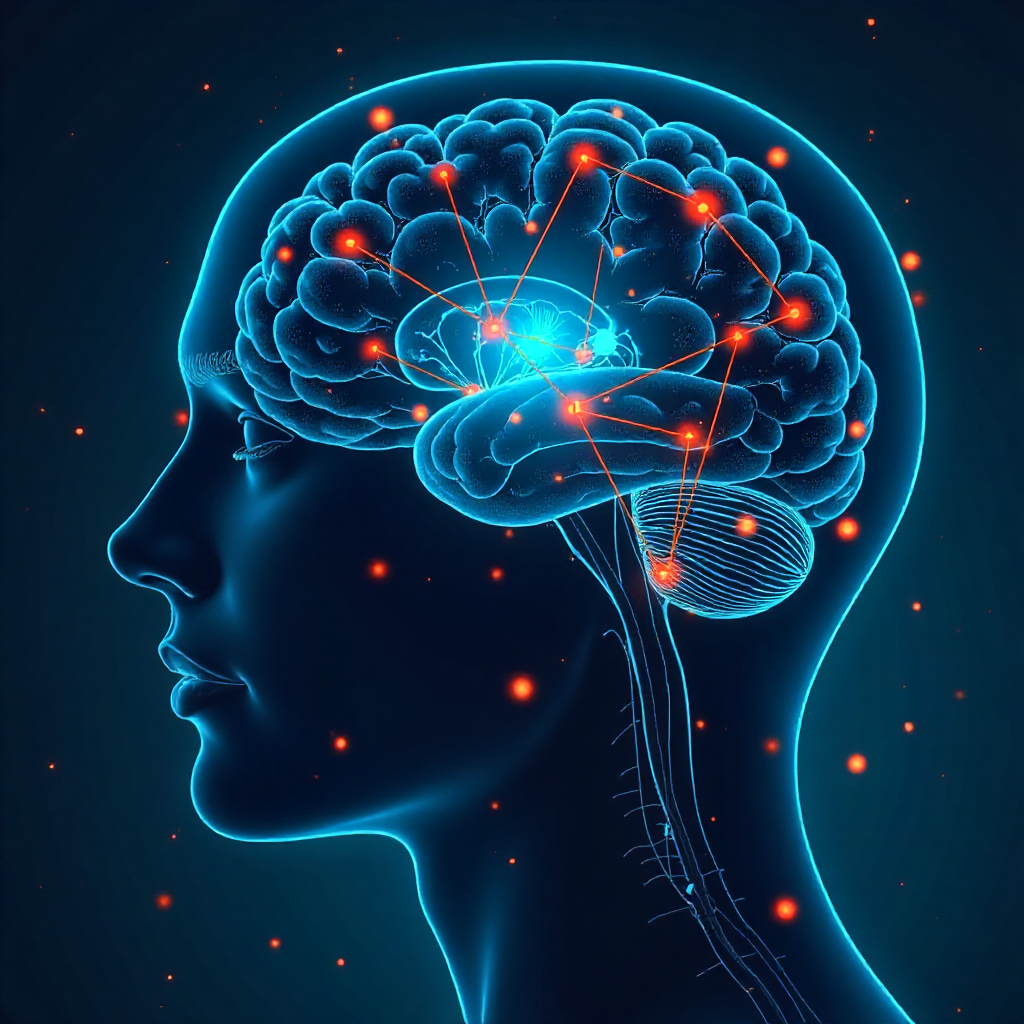
The Psychology Behind Gaming Addiction
Understanding Gaming Addiction — Definition and Scope
Gaming addiction is a behavioral disorder characterized by excessive or compulsive engagement in video games despite negative consequences. In the context of online entertainment, it has grown into a significant concern as millions of players worldwide engage daily in gaming activities, both casually and competitively.
Recognized by health organizations as "gaming disorder," this condition involves impaired control over gaming behaviors, prioritizing gaming over other interests, and continued play despite harmful effects. With online gaming's rise, including multiplayer and mobile platforms, understanding this addiction's psychological underpinnings is essential for the gaming community and mental health advocates alike.
How the Brain’s Reward System Fuels Gaming Addiction
The core driver behind gaming addiction is the brain's reward system releasing dopamine, a neurotransmitter associated with pleasure and reinforcement.
When gamers achieve goals, unlock rewards, or experience excitement during gameplay, dopamine surges create positive feelings, encouraging repetitive behavior. This process is tightly linked to behavioral conditioning, where actions that produce rewarding outcomes become increasingly ingrained.
Games often use variable reward schedules—unpredictable wins or loot drops—which amplify dopamine release and make the behavior more compulsive. Over time, neuroplasticity enables these circuits to strengthen, reinforcing the habit loop making it difficult to stop playing.
While dopamine-driven motivation is natural, in gaming addiction this system becomes dysregulated, prioritizing gaming over other sources of satisfaction, such as social interaction or real-life achievements.
Psychological Triggers and Risk Factors
Several psychological triggers and personal risk factors contribute to the development of gaming addiction.
- Social Connection: Online games often provide a sense of community and belonging, especially important for individuals who struggle with offline relationships.
- Achievement and Competition: The desire for accomplishments, ranks, and status within games can drive intense engagement.
- Escapism: Gaming offers an immersive refuge from stress, anxiety, or boredom, making it appealing for vulnerable individuals.
- Impulse Control Challenges: People with lower self-regulation may be less able to resist the urge to play excessively.
- Mental Health Vulnerabilities: Those suffering from depression, anxiety, or attention disorders may be at higher risk for problematic gaming patterns.
Recognizing these triggers and personal susceptibilities can help in identifying those who might develop unhealthy gaming habits.
The Impact of Online Multiplayer Environments
Online multiplayer games intensify addictive tendencies through social dynamics and competition.
These environments provide real-time interaction, cooperative goals, and competitive achievements, which heighten engagement using both social reinforcement and status motivations. The presence of friends, guilds, or rivals creates accountability to the group, making it harder for players to disengage.
Furthermore, multiplayer settings often introduce unpredictable challenges and rewards, increasing the game's excitement. This translates to stronger behavioral conditioning as the player’s brain anticipates social feedback along with in-game rewards.
However, this social aspect is a double-edged sword: it can foster positive relationships and teamwork but also pressure players to maintain excessive playtime to meet group expectations.
Mental Health Consequences of Gaming Addiction
Gaming addiction can lead to serious mental health consequences, including heightened anxiety, depression, and impaired daily functioning.
Excessive gaming often disrupts sleep patterns, reduces physical activity, and limits real-world social interactions, amplifying mental distress over time. Many addicted gamers experience withdrawal-like symptoms such as irritability or restlessness when unable to play.
Impaired impulse control and increased isolation can worsen existing psychological conditions or contribute to new ones. This creates a vicious cycle where emotional distress drives increased gaming as a coping mechanism, which in turn exacerbates mental health decline.
Understanding these consequences highlights the importance of early intervention and balanced gaming habits to protect psychological well-being.
Recognizing Warning Signs and Symptoms
Identifying gaming addiction early relies on spotting key red flags in behavior and lifestyle.
- Loss of Control: Inability to reduce gaming time despite efforts.
- Preoccupation: Constant thoughts about gaming when offline.
- Neglect of Responsibilities: Ignoring work, school, or social obligations in favor of gaming.
- Withdrawal Symptoms: Experiencing anxiety, mood swings, or irritability when not playing.
- Continued Use Despite Harm: Persisting with gaming even though it causes problems in relationships or health.
Awareness of these signs is critical for gamers themselves, families, and professionals to recognize when gaming shifts from healthy entertainment to a disorder requiring attention.
Strategies to Manage and Prevent Gaming Addiction
Effective management and prevention of gaming addiction involve practical strategies aimed at balancing enjoyment with control.
- Set Time Limits: Use timers or parental controls to restrict gaming sessions.
- Schedule Breaks: Incorporate regular pauses and encourage alternative activities like exercise or socializing.
- Mindful Gaming: Reflect on motivations and emotional states when playing, avoiding escapism as a coping tool.
- Build Support Systems: Engage friends or community in healthy gameplay, and communicate openly about concerns.
- Seek Professional Help: For persistent addiction signs, cognitive-behavioral therapy and counseling can provide effective intervention.
- Design Considerations: Content creators and online gaming platforms can promote responsible gaming through transparent reward systems and anti-addiction measures.
By adopting these strategies, gamers can maintain their passion for online entertainment while minimizing risk of addiction and its toll on mental health.
Frequently Asked Questions about Gaming Addiction
What differentiates healthy gaming from addiction?
Healthy gaming is a balanced activity enjoyed without disrupting daily responsibilities, relationships, or well-being. Addiction involves loss of control, preoccupation, and negative impacts on life caused by excessive gaming.
Can gaming addiction be cured or managed?
While there is no simple cure, gaming addiction can be effectively managed through behavioral therapies, lifestyle changes, and support. Early recognition improves outcomes significantly.
What role do social features in games play in addiction?
Social features increase engagement by fostering connection and competition but may also create pressure to play excessively, reinforcing addictive behaviors.
How does gaming addiction compare to other behavioral addictions?
Gaming addiction shares mechanisms like dopamine-driven reward and impulsivity similar to gambling or social media addiction but often involves unique social and immersive aspects.
Are certain game genres more addictive than others?
Genres with variable rewards, multiplayer interaction, and progression systems, such as MMORPGs and battle royales, tend to be more addictive due to their design promoting prolonged engagement.
For more in-depth information, authoritative resources are available at the World Health Organization's site on gaming disorder (WHO Gaming Disorder Q&A) and scholarly articles on behavioral addictions.