Health Tips for Professional Gamers: Build a Sustainable Performance Routine
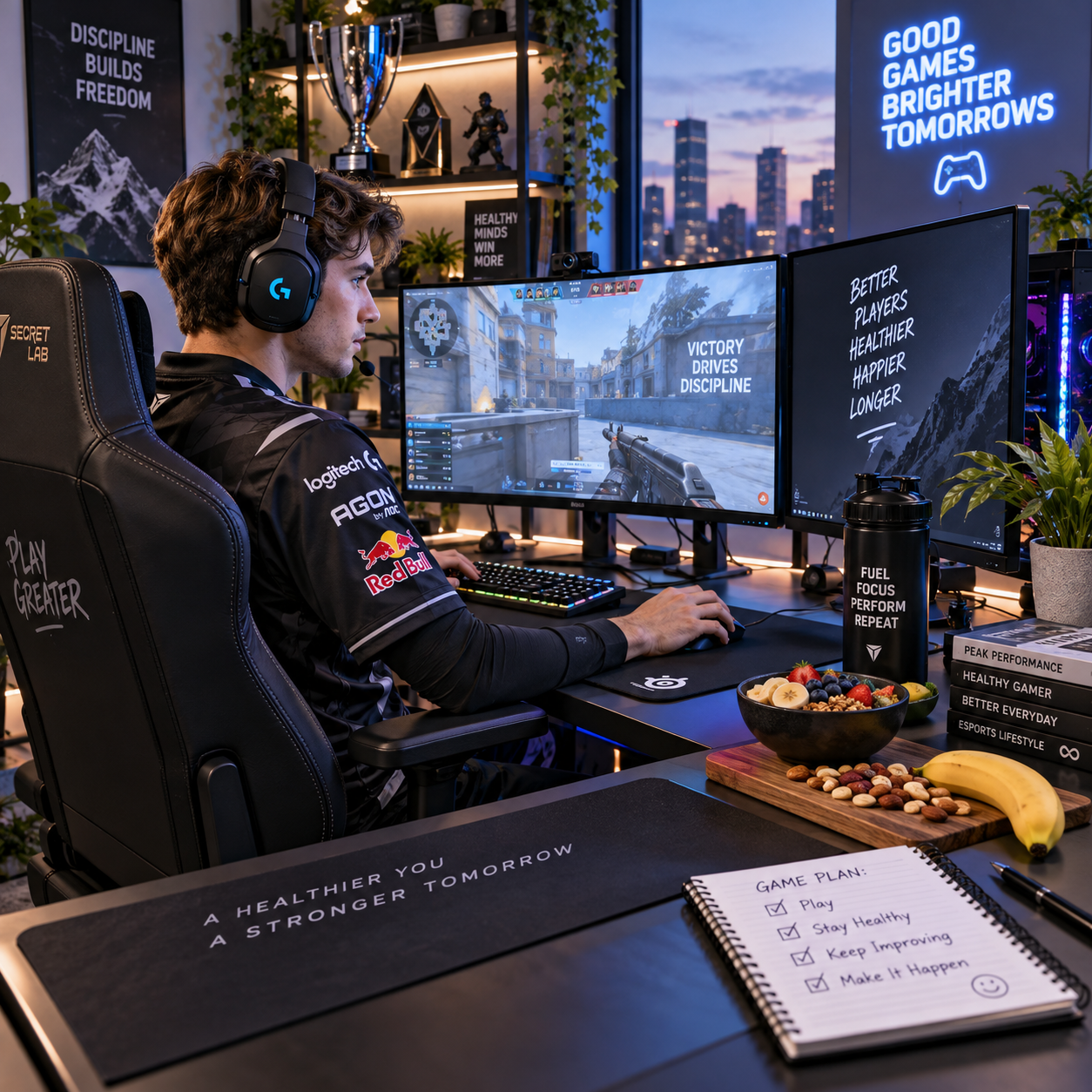
Professional gaming demands fast reactions, sustained concentration, and repeated practice. Those abilities depend on more than mechanics and strategy. A reliable health routine can help protect energy, comfort, focus, and long-term participation in esports.
The goal is not to follow a perfect schedule every day. It is to build repeatable habits around sleep, movement, nutrition, ergonomics, mental wellbeing, and responsible gambling. These habits cannot guarantee higher rankings or better betting results, but they can reduce avoidable strain and make demanding gaming routines more sustainable.
Why Health Matters in Professional Gaming
Health matters in professional gaming because sleep, physical comfort, and mental wellbeing support concentration, reaction time, consistency, and recovery. A player who feels rested and comfortable can usually manage long practice blocks more effectively than one relying on exhaustion and stimulants.
Gaming performance is influenced by several connected systems. Poor sleep can make decision-making slower and emotional control harder. Back, neck, or wrist discomfort can interrupt practice. Dehydration and irregular meals may leave a player distracted or low on energy during a tournament.
Think of performance as a four-part loop: prepare, perform, recover, review. Preparation includes sleep and food. Performance requires focus and physical comfort. Recovery restores the body and mind, while review identifies what to improve without turning every mistake into a personal failure.
Persistent pain, numbness, vision changes, severe exhaustion, anxiety, or disrupted sleep deserve attention. Health advice cannot replace medical care, so consult a qualified healthcare professional when symptoms continue, worsen, or interfere with daily life.
Create a Sleep and Recovery Routine
A consistent sleep schedule and planned recovery breaks give professional gamers a stronger foundation for focus and emotional control. Aim for a regular bedtime and wake time, including around competitions when possible, rather than using late-night sessions as the default training method.
Most adults need at least seven hours of sleep, although individual needs vary. A stable routine is often more useful than trying to recover from several short nights with one long sleep-in. Reduce bright screens and intense ranked play close to bedtime if they make it harder to wind down.
Build recovery into the calendar
- Take a short break between major practice blocks instead of playing continuously.
- Schedule at least one lighter training period or rest day each week, depending on tournament demands.
- Use a brief post-session routine: hydrate, eat if needed, stretch gently, and record key notes.
- Keep caffeine earlier in the day when possible. Excessive caffeine can mask tiredness while worsening anxiety or sleep quality.
A useful test is simple: if a longer session produces worse decisions, irritability, and repeated mechanical errors, more hours may be reducing training value. Recovery is part of preparation, not time stolen from it.
Improve Your Gaming Setup and Posture
An ergonomic gaming setup reduces unnecessary stress on the neck, back, shoulders, wrists, and hands. Set the chair, desk, monitor, and peripherals so your body can remain supported while you change position regularly.
Choose a chair that supports your lower back and allows your feet to rest flat on the floor or on a footrest. Keep the desk high enough for relaxed shoulders, with elbows near a comfortable angle. Your keyboard and mouse should allow a mostly neutral wrist position rather than forcing the hands upward or sharply sideways.
Position the monitor directly in front of you. The top of the screen should sit around eye level or slightly below, and the screen should be far enough away that you do not lean toward it. A large setup is not automatically ergonomic; correct positioning matters more than premium branding.
Posture is a moving target. Even an excellent chair cannot compensate for staying frozen for hours. Shift your weight, stand briefly, roll your shoulders, and reset your feet during breaks. Pain, tingling, weakness, or numbness should not be treated as normal training fatigue.
Protect Your Eyes and Reduce Screen Fatigue
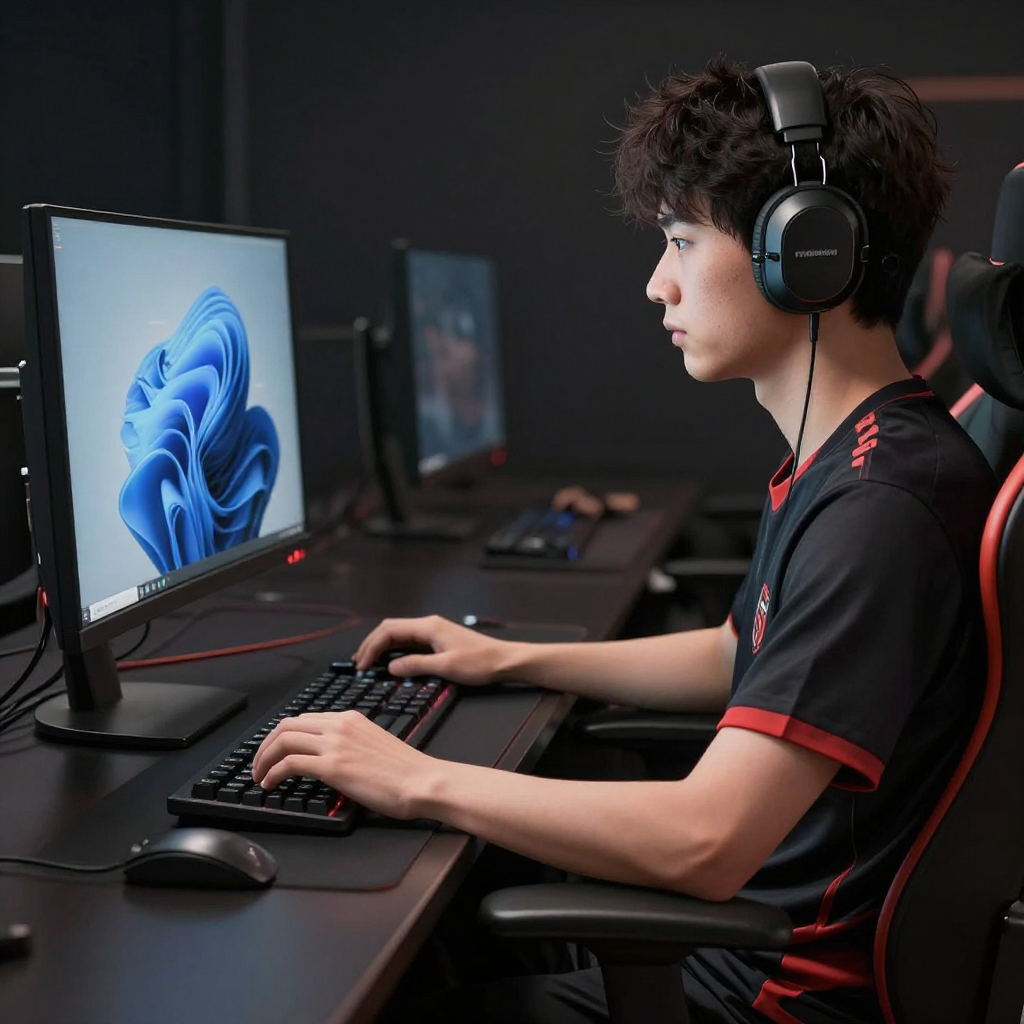
To reduce eye strain, take scheduled visual breaks, control glare, position the screen well, and respond early to discomfort. Eye fatigue may feel like dryness, blurred vision, headaches, burning, or difficulty refocusing after a session.
Use the 20-20-20 approach as a practical reminder: about every 20 minutes, look at something roughly 20 feet away for at least 20 seconds. It will not solve every vision problem, but it interrupts continuous near-focus. During breaks, look across the room rather than switching immediately to a phone.
- Keep room lighting comfortable and avoid strong reflections on the monitor.
- Adjust brightness so the display does not look dramatically brighter than the room.
- Place the screen at a comfortable distance and avoid leaning forward.
- Blink deliberately during tense matches, when people often stare without noticing.
- Use prescribed glasses or contact lenses as directed by an eye-care professional.
Blue-light settings may make evening screens more comfortable for some people, but they are not a substitute for sleep or proper vision care. Persistent pain, double vision, recurring headaches, or changes in sight should be assessed by a qualified professional.
Support Performance with Movement, Hydration, and Nutrition
Regular movement, sufficient hydration, and balanced nutrition help maintain energy and comfort during long gaming sessions. A practical routine is more sustainable than depending on one large meal, energy drinks, or a last-minute workout.
Every 45 to 60 minutes, stand up for two to five minutes when the schedule allows. Walk around, loosen the hips, extend the upper back, and move the wrists gently. Outside training, include mobility work and aerobic activity that you enjoy. Strengthening the legs, back, shoulders, and core can complement gaming, but stop exercises that cause sharp pain.
Keep water within reach and drink regularly rather than waiting until you feel very thirsty. Sweating, hot rooms, and long event days increase fluid needs. Sports drinks may be useful in some physically demanding situations, but sugary or highly caffeinated drinks should not replace ordinary hydration.
Balanced nutrition means combining useful building blocks: carbohydrates for accessible energy, protein for fullness and recovery, healthy fats, and fruit or vegetables for variety. Easy session options include yogurt with fruit, a sandwich with lean protein, oatmeal, nuts, or a banana. Large, greasy meals immediately before competition may cause discomfort, while skipping food can make concentration harder.
Manage Stress, Focus, and Competitive Pressure
Stress management works best when it is built into preparation, competition, and cooldown routines. Short breathing exercises, realistic goals, and a healthy response to losses can protect focus without pretending that pressure will disappear.
Before a session, define one process goal, such as communication quality or reviewing a specific tactical pattern. During play, use a simple reset: relax your shoulders, take two slow breaths, name the next controllable action, and return attention to the round. This is more useful than replaying a mistake while the match continues.
Use a complete competition routine
- Prepare: check equipment, eat, hydrate, and review only the most relevant notes.
- Perform: follow communication cues and take permitted breaks seriously.
- Cooldown: leave the desk, move lightly, and allow emotions to settle before analysis.
- Review: identify one lesson and one positive behavior instead of judging your entire ability.
Losses are information, not instructions to play indefinitely until the result feels better. If stress, low mood, panic, irritability, or sleep disruption persists, speak with a mental-health professional, team support person, or trusted healthcare provider.
Apply Healthy Habits to Betting and Casino Activity
Responsible gambling means treating sports betting and casino activity as optional entertainment with preset financial and time limits. Gambling is separate from esports skill: professional gaming ability does not guarantee betting accuracy, and no strategy can guarantee casino winnings.
Set a spending limit before you begin and use only money you can afford to lose. Set a time boundary as well, particularly after a stressful match or during late-night sessions when fatigue can weaken judgment. Do not borrow money, use essential funds, or increase stakes to recover losses.
- Decide your budget and maximum session length in advance.
- Avoid betting while angry, exhausted, intoxicated, or trying to prove a point.
- Keep gambling separate from rent, food, training costs, and tournament expenses.
- Do not describe gambling as an income plan or a health strategy.
- Use available account limits, breaks, or self-exclusion tools if control becomes difficult.
A helpful rule is the pause-before-play check: am I rested, within budget, and choosing entertainment rather than chasing a loss? If the answer is no, step away. Persistent urges, secrecy, borrowing, or distress linked to gambling are signs to seek confidential support through a local gambling-help service or healthcare professional.
Frequently Asked Questions
How many breaks should professional gamers take during long sessions?
Take a brief movement break roughly every 45 to 60 minutes when the schedule permits, with longer meal and recovery breaks between major blocks. Tournament rules may change the timing, so use every official pause to stand, hydrate, and relax your eyes.
What exercises are useful for gamers?
Gentle stretching, walking, mobility drills, and general strength training can support comfort. Move the neck, shoulders, upper back, hips, wrists, and hands without forcing painful ranges. A physiotherapist can provide tailored advice for recurring symptoms.
How can gamers reduce eye strain?
Use scheduled distance breaks, blink often, reduce glare, keep the monitor well positioned, and maintain comfortable room lighting. Persistent pain, blurred vision, or headaches require professional assessment.
What should professional gamers eat and drink?
Choose regular meals or snacks containing carbohydrates, protein, healthy fats, and produce. Drink water consistently, and avoid relying on energy drinks or excessive caffeine to compensate for poor sleep.
How can responsible gambling habits support overall wellbeing?
Preset spending and time limits reduce the chance that betting or casino play interferes with sleep, finances, training, or relationships. Keep gambling recreational, never chase losses, and seek support if it stops feeling voluntary or manageable.