Women in eSports: Breaking Stereotypes and Building a More Inclusive Scene
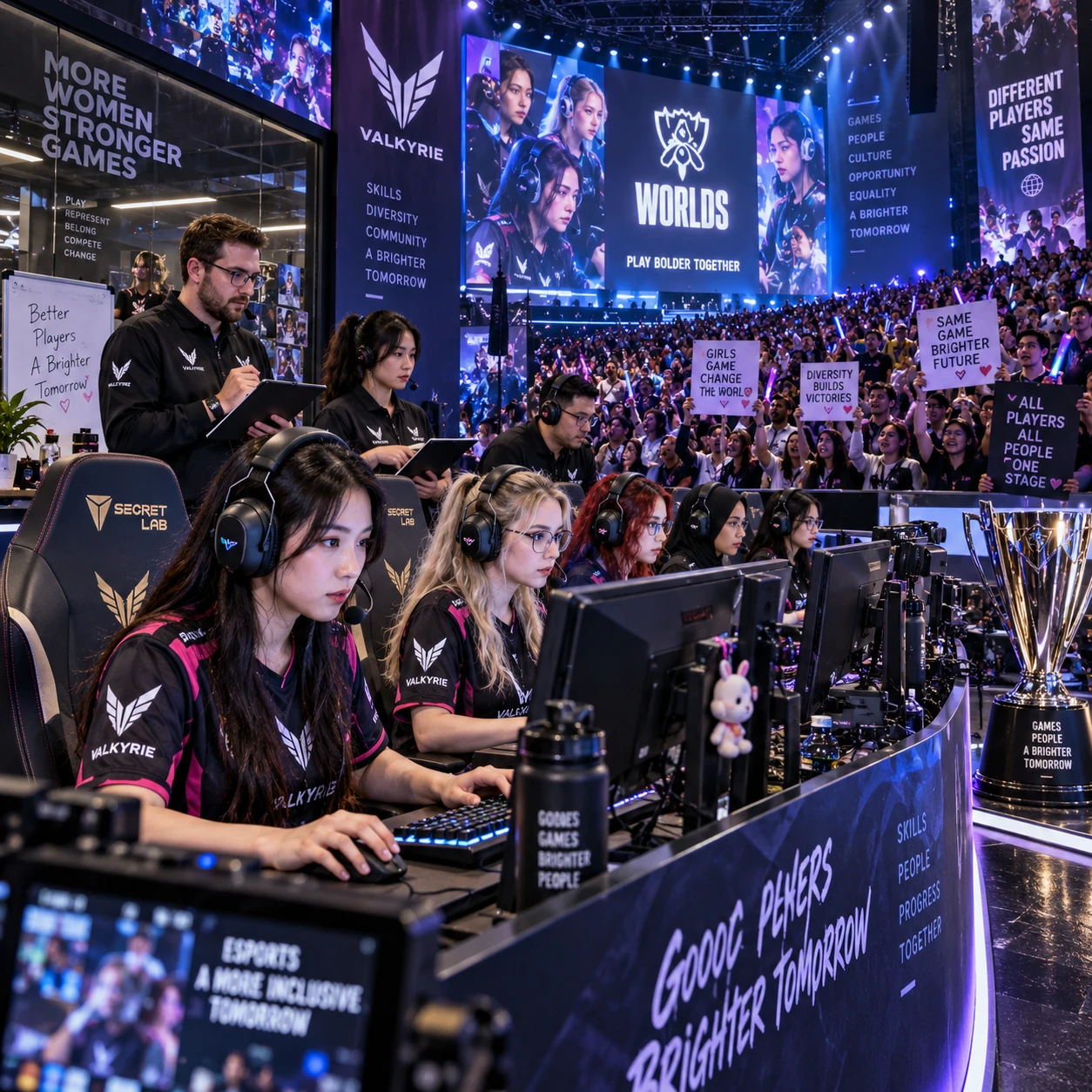
Women in eSports are competing, coaching, creating content, and building organizations across the gaming industry. Their growing visibility challenges old assumptions about who belongs in competitive gaming, while also drawing attention to barriers that can limit access and recognition.
Progress takes more than a few high-profile wins. Teams, tournament organizers, sponsors, gaming communities, and fans all influence whether women can participate and advance on fair terms. Understanding that bigger picture helps audiences appreciate the people and work behind the competition.
What women’s participation in eSports looks like
Women participate in eSports as players, coaches, analysts, streamers, tournament staff, and industry leaders. Their roles span professional leagues, grassroots competitions, content channels, and the wider business of competitive gaming.
Players may compete in mixed-gender events, women-led teams, or tournaments designed to create more visible pathways into competition. These formats can serve different purposes: open events offer a shared field of play, while women-focused competitions can provide experience, exposure, and connections in environments where women have historically been underrepresented.
Participation also extends beyond the server. Coaches develop strategies and support players; analysts study opponents and communicate insights; creators introduce new audiences to games and teams. Producers, referees, event organizers, and executives help make the scene function. Treating eSports as only the people on stage misses much of the work that sustains it.
There is no single women’s eSports experience. It varies by game, region, access to equipment and training, and personal circumstances. That diversity matters when discussing representation: visibility should make room for many kinds of stories, rather than expecting one player to stand for everyone.
Stereotypes women are still challenging
Women in eSports are challenging assumptions that they are less skilled, less committed, or less suited to competitive gaming. Those stereotypes are not measures of ability; they are social expectations that can shape how players are treated and evaluated.
A woman’s performance may be judged through a different lens, with mistakes treated as proof of a broader claim while comparable errors by men are seen as ordinary parts of competition. Some players also face questions about whether they belong in a team or earned their place. These reactions can distract from the useful questions: How does the player perform? What does the team need? What evidence supports the evaluation?
Another misconception is that women-focused tournaments signal lower standards. In practice, these events can create competitive opportunities and visibility, particularly when access to established circuits is uneven. They are not a substitute for equal access to open competition, and their value depends on quality, sustainable support, and meaningful routes onward.
Skill is demonstrated through play, preparation, and results, not inferred from gender. Challenging stereotypes means applying consistent standards while recognizing that players may face different obstacles before they reach the same competition.
Barriers beyond the game
Women can face barriers beyond in-game competition, including online harassment, limited visibility, and fewer routes to high-level opportunities. The experience differs from person to person, but these issues can affect whether players feel safe, supported, and able to progress.
Harassment may occur in voice chat, social media, streams, or team spaces. It can range from dismissive comments to targeted abuse and threats. When players must spend time moderating attacks or avoiding public participation, they have less room to focus on training and community-building. Clear reporting channels and consistent consequences matter more than general statements of support.
Visibility can also be uneven. A player may perform well but receive less coverage, fewer interviews, or limited access to sponsorships and tournament invitations. Without regular coverage, audiences have fewer chances to learn about teams, rivalries, and player development. That can reinforce the mistaken idea that there is little interest, even when a lack of exposure is part of the problem.
Access to practice partners, coaching, stable schedules, equipment, travel funding, and professional networks can shape a player’s chances. Organizers and teams should examine the full pathway, from entry-level events to elite competition, rather than assuming a single tournament solves structural gaps. For resources on online safety and harassment, the Australian eSafety Commissioner offers practical guidance that can help inform community policies.
How teams, tournaments, and communities can support change
Teams, tournament organizers, sponsors, and gaming communities can support women in eSports by making access fair, responding to misconduct, and investing in sustained opportunities. Clear policies work best when they are backed by consistent action.
- Set and enforce conduct rules. Publish clear standards for players, staff, and spectators, with accessible reporting routes and stated consequences for harassment.
- Build transparent selection processes. Explain how tryouts, roster decisions, and promotions are handled. Use role-relevant criteria so players can understand what is expected.
- Create connected competition pathways. Women-led teams and women-focused tournaments can offer valuable experience, but organizers should also build links to mixed-gender events, coaching, scouting, and higher-level play.
- Support visibility with real investment. Sponsors can fund training, travel, content production, and event access rather than relying only on one-off campaigns. Tournament coverage should give athletes context and sustained attention.
- Design communities for participation. Moderators can respond quickly to abuse, protect player privacy, and make it easier for newcomers to find teams, events, and mentorship.
There are trade-offs. Separate competitions may give players a stronger platform, but they can become isolated if they lack funding or links to broader circuits. Open events provide shared competition, yet openness alone does not address harassment or unequal access. A useful test is whether a program improves safety, competitive development, or visibility in a way participants can sustain.
Why representation matters to eSports audiences
Representation matters because it helps audiences see the full range of people shaping competitive gaming and gives emerging players more visible examples of possible paths. It can also deepen fan engagement by making teams, rivalries, and individual stories easier to follow.
For viewers, a broader field of visible competitors can bring new play styles, personalities, and communities into focus. Fans may discover a team through a tournament stream, follow its progress, and become invested in its players over time. That connection is built through consistent competition and thoughtful coverage, not simply by featuring a woman in a promotional image.
Representation also affects the wider sports entertainment ecosystem. Broadcasters, sponsors, publishers, and event operators make choices about which competitions receive airtime and resources. When they cover women’s events with the same care given to other tournaments, they help audiences understand the level of preparation and competition involved.
For sports betting and casino audiences, inclusive coverage offers a reason to engage with eSports as a sport and entertainment community, not only as a set of markets. Respectful reporting keeps the focus on athletes, teams, and the game. It avoids reducing a player’s identity or achievements to a novelty or wagering angle.
Betting and casino coverage: keep the focus responsible
Betting and casino coverage can include women in eSports by reporting on competitions and teams accurately, while keeping wagering separate from players’ identity and worth. Responsible betting means treating any wager as entertainment, not as a way to earn income.
Coverage should apply the same standards to women’s and mixed-gender events: explain the format, roster news, tournament context, and relevant performance information without leaning on stereotypes. A player’s gender is not a betting tip, and a market should never be presented as a judgment on who belongs in the scene.
Readers who choose to bet should check their local laws, use licensed operators where available, and set limits they can afford to lose. Never chase losses or wager money needed for essentials. Odds can change, and no pick or analysis guarantees an outcome. If gambling stops feeling recreational, take a break and seek support from a recognized service in your region.
That separation benefits the whole conversation. eSports reporting can celebrate women’s achievements and explain competitive developments, while responsible betting information remains factual, proportionate, and free of pressure.
Frequently asked questions
What does it mean to break stereotypes in eSports?
Breaking stereotypes in eSports means challenging assumptions about women’s skill, commitment, or right to compete. It also means judging players by relevant performance and giving them fair access to teams, events, and coverage.
What barriers can women face in competitive gaming?
Barriers can include online harassment, limited visibility, unequal access to coaching or competitive opportunities, and fewer professional connections. These challenges vary by player, game, and region.
How can eSports organizations support women players?
Organizations can enforce conduct policies, make selection criteria transparent, fund development and travel, create connected tournament pathways, and give women’s competitions consistent coverage. Support should be measured by sustained opportunity, not only public messaging.
How can fans engage with eSports betting responsibly?
Fans who choose to bet should follow local laws, set a firm budget, and treat wagering as entertainment rather than income. They should never chase losses, and can enjoy eSports without betting at all.